Last checked: 1 August 2026
Budapest’s trams and metro trains are still running, but some journeys may take a little longer in the coming days.
The city is introducing temporary energy-saving measures because of the exceptional national electricity situation linked to the low level of the Danube and the reduced output of Paks Nuclear Power Plant. One measure is to make trams and metro trains accelerate less intensely. The aim is to reduce electricity use while keeping the public-transport network in service.
Good to know
Allow a little extra time, especially if you have a theatre ticket, airport connection, restaurant booking or photo session at sunset. The network is operating; this is not a closure.
According to current reports, Budapest expects the change to save around 15 MWh of electricity per day. The practical effect for passengers should be modest, but it can be more noticeable on a journey involving several changes or a tight schedule. Read the current report here.
The situation should be seen in context. Hungary is facing an unusual period of heat, drought and very low water levels on the Danube. Paks normally produces a large share of the country’s electricity. Reducing unnecessary energy use in public lighting, buildings and transport helps protect the wider system without immediately affecting households or stopping essential city services.
For visitors, the useful approach is simple. Do not plan every movement down to the minute. Leave ten or fifteen extra minutes when crossing the city. Check the live route before leaving, particularly in the evening or at weekends.
It is also important to separate this temporary slowing from ordinary transport works. For example, the M4 metro has a separate, planned maintenance change between 28 July and 2 August. That is unrelated to the energy-saving measure. BKK’s current service information is the best place to check both planned works and short-notice changes.
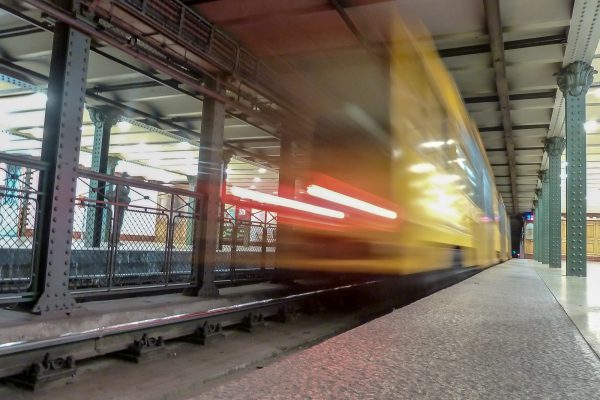
There is a photographic side to this, too. Budapest’s public transport is not only a way of getting from one landmark to another. A tram crossing the river, a metro entrance, passengers waiting on a platform or the view from a moving vehicle can be part of the city’s visual rhythm.
If you have an evening photo plan, leave earlier than usual. The best light does not wait for a delayed connection.
For a walk designed around the actual weather, light and pace of the day, PhotoSherpa can arrange a flexible Budapest tour.
Written by Zoltan Szabo photographer and licensed tour guide
PhotoSherpa, Budapest Photo Walks